Looking for more Chiang Mai advice? What Is Chobjob? A Complete Guide for Chiang Mai Users, Condo Utility Costs in Thailand: What Is Normal? or AC Repairman Near Me in Chiang Mai: How to Book Fast.
Who usually pays for condo repairs?
In Thailand, repair responsibility usually follows a simple split. The condo juristic person handles common property and shared systems, the unit owner pays for problems inside the private unit, and the tenant usually pays only for damage caused by misuse, negligence, or small day-to-day upkeep depending on the lease.
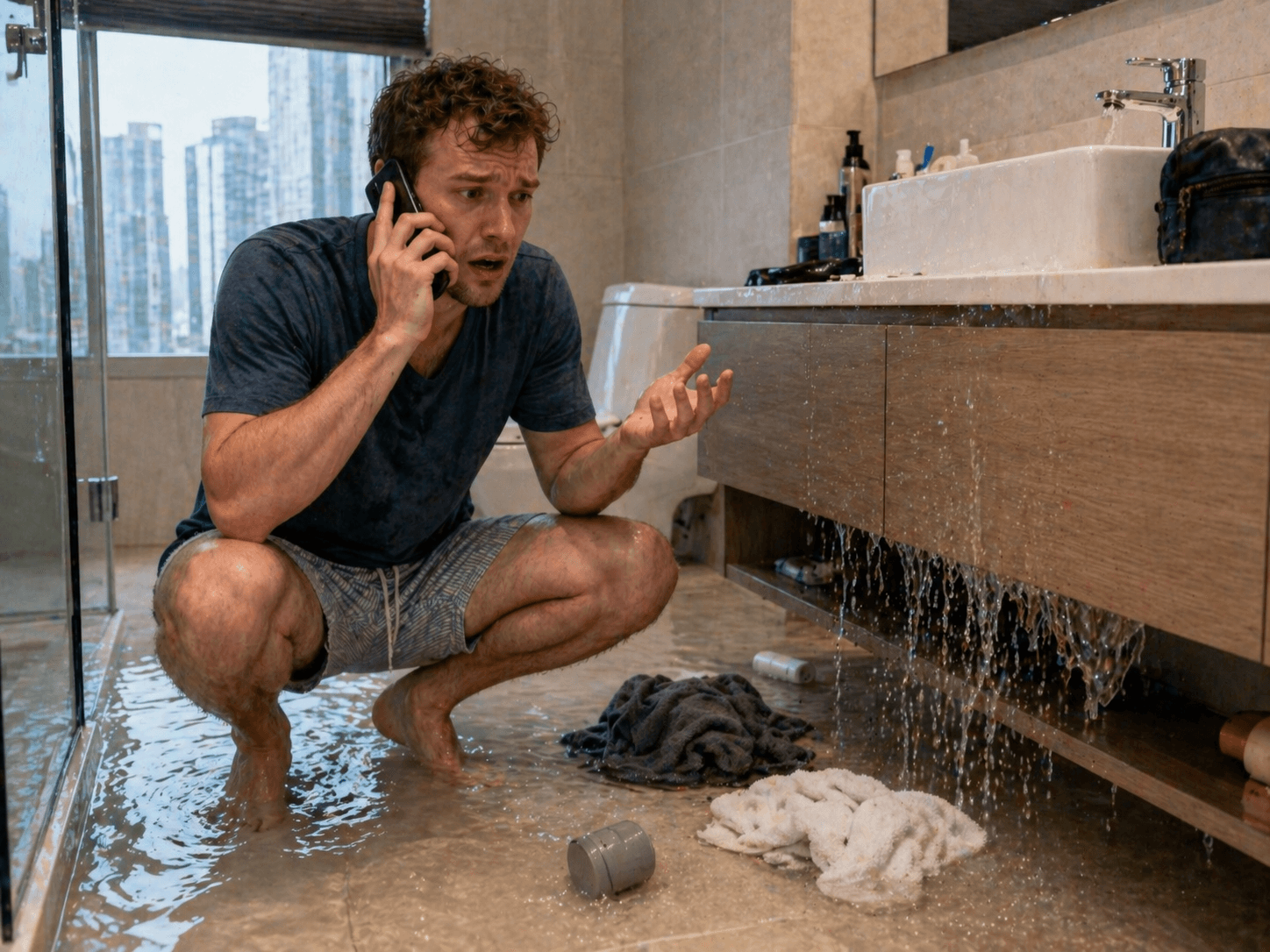
That sounds simple, but real disputes often start with leaks, air conditioning, plumbing, or wall damage where the source is not obvious. In those cases, the first question is not who is angry, but where the damage started and whether the affected item is common property or personal property.
Start by separating common property from private property
Thailand condominium rules generally split responsibility between common property and private property. Common property includes shared building systems and common areas, while personal property usually means the individual unit and items that serve only that unit.
That distinction matters because common property repairs are generally borne through the condominium system and shared by co-owners according to ownership ratio, while repairs to private property are usually borne by the unit owner of the damaged apartment.
A practical rule of thumb
- Common area or central building system such as shared pipes, hallways, roofs, or structure usually falls to the condo juristic person or shared owner expenses
- Inside the private unit such as internal fixtures, finishes, and unit-specific systems usually falls to the owner
- Damage caused by the tenant through misuse, neglect, or unauthorized changes usually falls to the tenant
- Petty day-to-day maintenance may fall to the tenant if the lease says so and the issue is minor
- Assume every leak or electrical issue is automatically the tenant's problem
- Approve repairs before identifying whether the source is common property or unit property
When the owner usually pays
In a rental condo, the landlord or unit owner is generally responsible for necessary repairs and maintenance to the rented property when the damage was not caused by the tenant. Thai rental guidance also treats the landlord as responsible for repairs the tenant did not cause, while tenants are expected to take reasonable care of the property and handle ordinary maintenance or petty repairs.
In practice, owners usually pay for broken built-in fixtures, failed air conditioning that was not abused, plumbing inside the unit, worn fittings, and problems linked to age or ordinary deterioration. If the unit becomes unsafe or unsuitable because the owner ignores necessary repairs, the dispute becomes more serious.
When the condo juristic person usually pays
The condominium juristic person is generally responsible for maintaining communal areas and common systems. That includes repairs to common property and building management obligations tied to shared spaces and central infrastructure.
This often matters in leak cases. If a broken pipe is a central pipe coming from common property or serving multiple units, legal commentary in Thailand generally treats that as a juristic person responsibility rather than the private unit owner's sole burden.
Find trusted repair help in Chiang Mai
Chobjob launches first in Chiang Mai and aims to make it easier to find trusted local repair help before expanding across Thailand. Join the waitlist for updates.
When the tenant may have to pay
Tenants in Thailand are generally expected to use the property carefully and may be liable for damage caused by their own fault, the fault of people living with them, or unauthorized changes to the property. They are also expected to notify the landlord promptly when repairs are needed.
That means a tenant may end up paying when the damage comes from negligence, accidental breakage, misuse of appliances, unapproved installation work, or delayed reporting that made the problem worse. Minor consumable or day-to-day maintenance can also fall to the tenant if the lease says so.
The key question is not who noticed the damage first. It is whether the problem belongs to the common property, the private unit, or the person who caused it.
Chobjob Team
Frequently asked questions
Get updates as Chobjob expands
Join the waitlist to hear first as Chobjob launches in Chiang Mai and builds toward trusted local repair help across Thailand.